NEWS & KNOWLEDGE
What are the warning signs of infertility?

Warning Signs of Infertility
Infertility can affect couples who wish to have children and may result from a variety of causes. It is often noticed when a couple has been trying to conceive for more than one year without success, especially in women aged 35 years or older.
Infertility can be related to female factors, male factors, or both, including health problems or conditions that affect reproductive function. Couples should be aware of these warning signs and seek medical consultation if pregnancy does not occur within the expected time frame.

Signs of Infertility in Women
1. Irregular Menstruation
Women should monitor their menstrual cycles to see if they are regular. Keep a record of the start and end dates of each period.
-
A normal menstrual cycle typically occurs every 21–35 days. Cycles shorter or longer than this may be considered abnormal.
-
Menstruation lasting more than 7 days or being abnormally heavy is also considered abnormal.
-
Severe menstrual pain may be a warning sign.
One common condition associated with these symptoms is Polycystic Ovary Syndrome (PCOS), which can affect ovulation and fertility.

2. Increasing Age
Women aged 35 years and older may experience a decline in ovarian function, which can reduce fertility. This decline becomes more pronounced in women over 40 years of age.

3. Body Weight
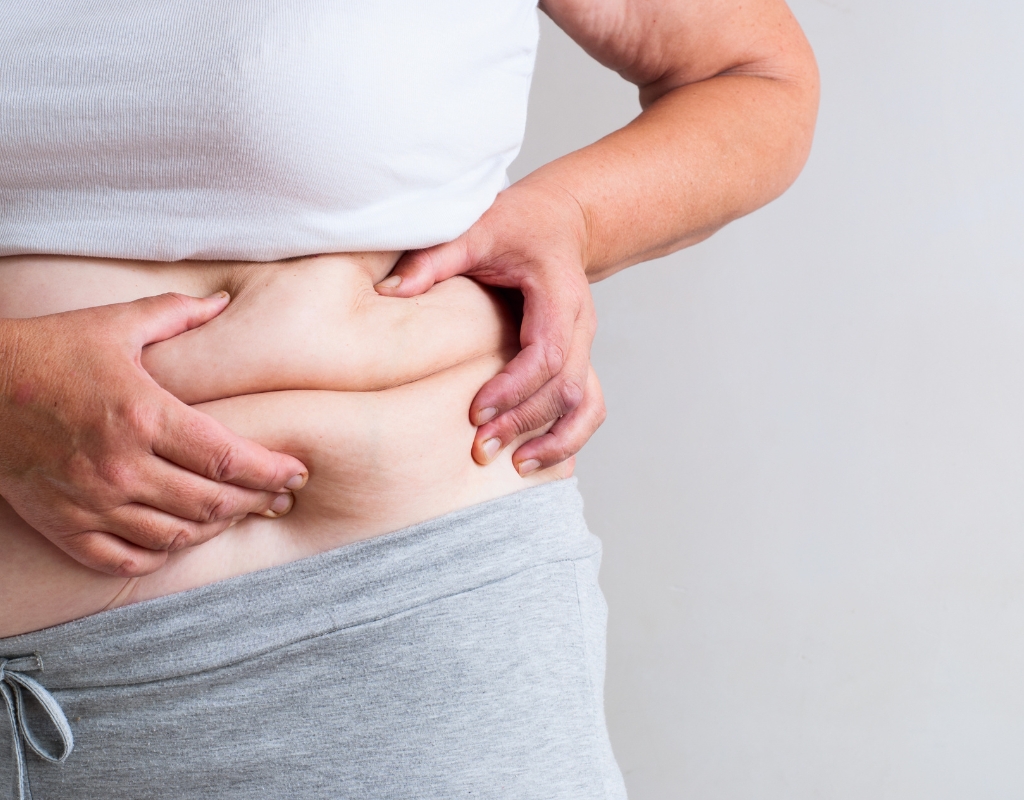
In women, being overweight or underweight can affect fertility.
You can assess this using your Body Mass Index (BMI), calculated as: weight (kg) divided by height (m)2.
-
A BMI less than 18 is considered underweight.
-
A BMI greater than 30 is considered overweight.
-
Maintaining a healthy BMI within the appropriate range can help improve fertility.
4. Lifestyle
To improve fertility, adopt a healthy lifestyle:
-
Nutrition:
-
Eat foods that are low in sugar and refined carbohydrates.
-
Focus on high-protein foods such as meat, fish, beans, and tofu.
-
-
Avoid harmful substances:
-
Do not smoke or drink alcohol, as these can negatively affect egg quality in women and sperm quality in men.
-
-
Sleep:
-
Aim to sleep before 10:00 p.m.
-
Proper sleep helps the body secrete growth hormone, which repairs cells and can improve the quality of eggs and sperm.
-

5. Women with a History of Surgery
Women who have undergone abdominal or pelvic surgery, such as hysterectomy, ovarian surgery, or fallopian tube surgery, may experience complications that affect fertility:
-
Surgery can cause adhesions, which may block or tighten the fallopian tubes.
-
Ovarian surgery may lead to loss of ovarian tissue, resulting in reduced ovarian hormone levels and decreased egg production.

Signs of infertility in men
1. Low Semen Volume
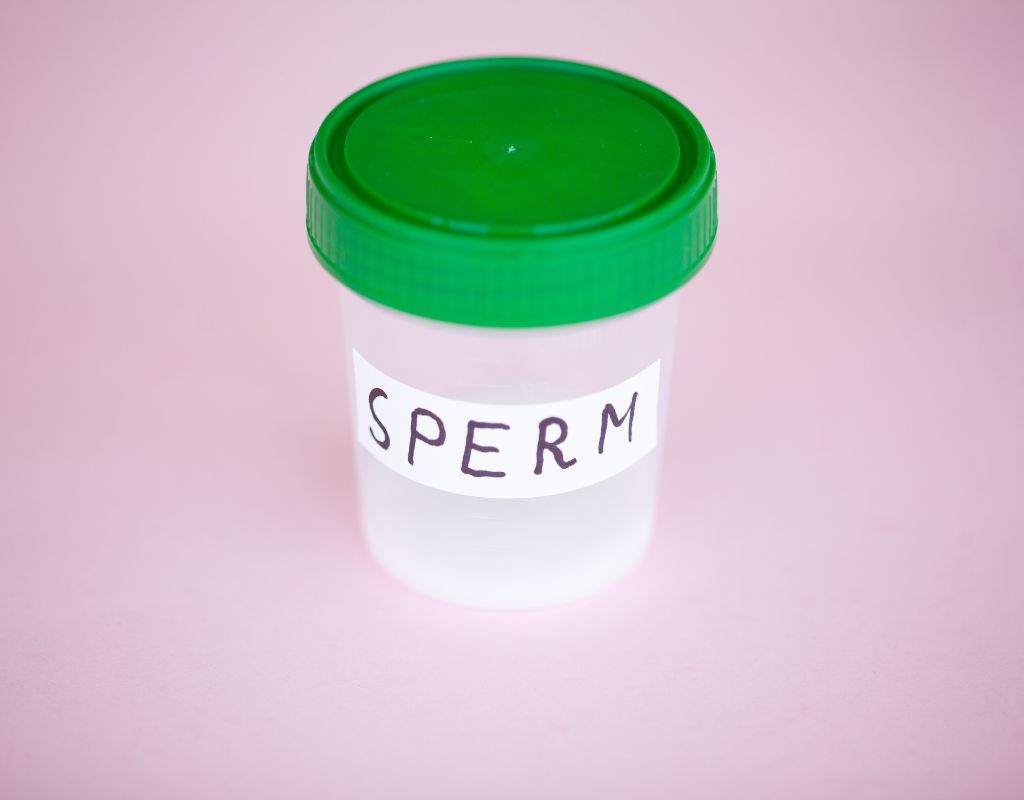
Men who produce a small amount of semen or have problems with ejaculation may experience reduced fertility.
2. Erectile Problems
Men who have difficulty achieving or maintaining an erection may experience reduced fertility, as this can interfere with sexual intercourse and natural conception.

3. History of Illness or Surgery
Men who have a history of testicular infections or have undergone surgery in the scrotal area may experience reduced fertility.
Men who have previously had a sexually transmitted infection (STI) may also face fertility challenges, as these infections can affect sperm production, quality, or transport.
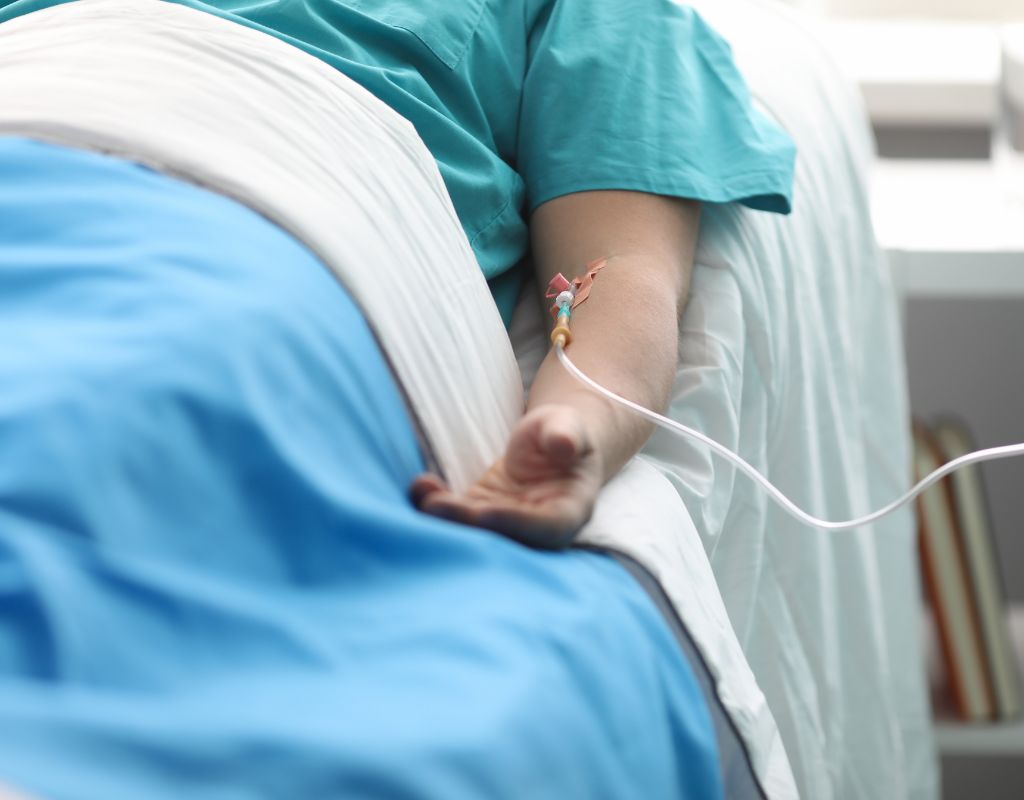
If you notice any of these warning signs, you should consult a doctor promptly. A medical professional can provide accurate evaluation and appropriate guidance, which can help address infertility issues and increase your chances of achieving pregnancy.
By Assoc.Prof. Matchuporn Sukprasert

Sep 05, 2023
Sep 05, 2021
Sep 28, 2020
 ENGLISH
  THAI
THAI  中文
中文