NEWS & KNOWLEDGE
What is PESA / TESE ?
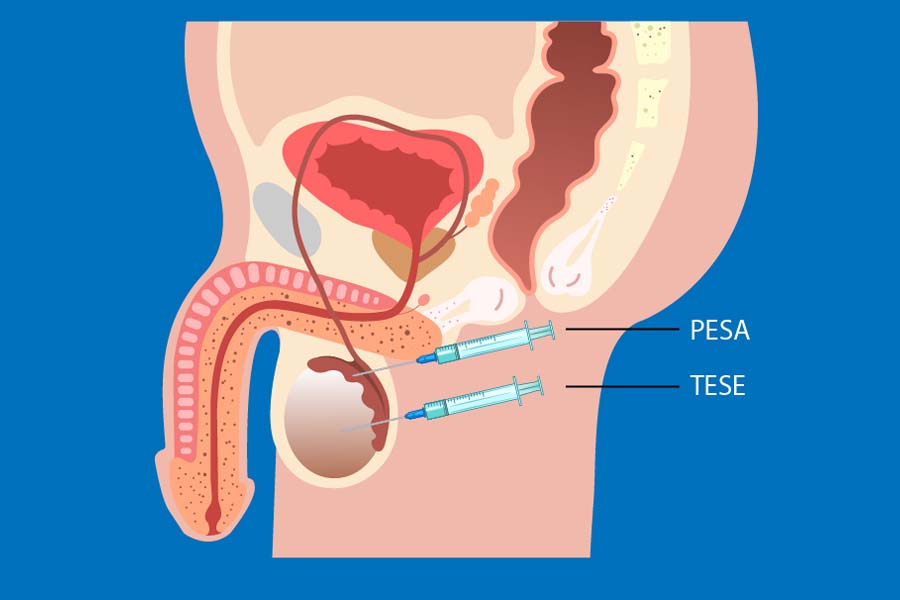
A surgical procedure to extract sperm from the epididymis can be performed in men with the following conditions:
-
Sperm cannot be found in the semen due to blockages in the vas deferens, or the vas deferens is absent from birth.
-
Inability to store sperm through natural methods.
-
Inability to ejaculate sperm normally, or having problems with ejaculation due to other health issues, with all sperm being non-viable.
-
Men who have undergone a vasectomy and do not wish to have it reversed.
-
In the past, men diagnosed with infertility were unable to have children unless they received donated sperm.
However, with advanced technology, doctors can now retrieve healthy sperm directly from the epididymis or testis. The doctor will determine the most appropriate surgical method based on each patient’s condition.
These are the steps of the procedure:
PESA (Percutaneous Epididymal Sperm Aspiration)
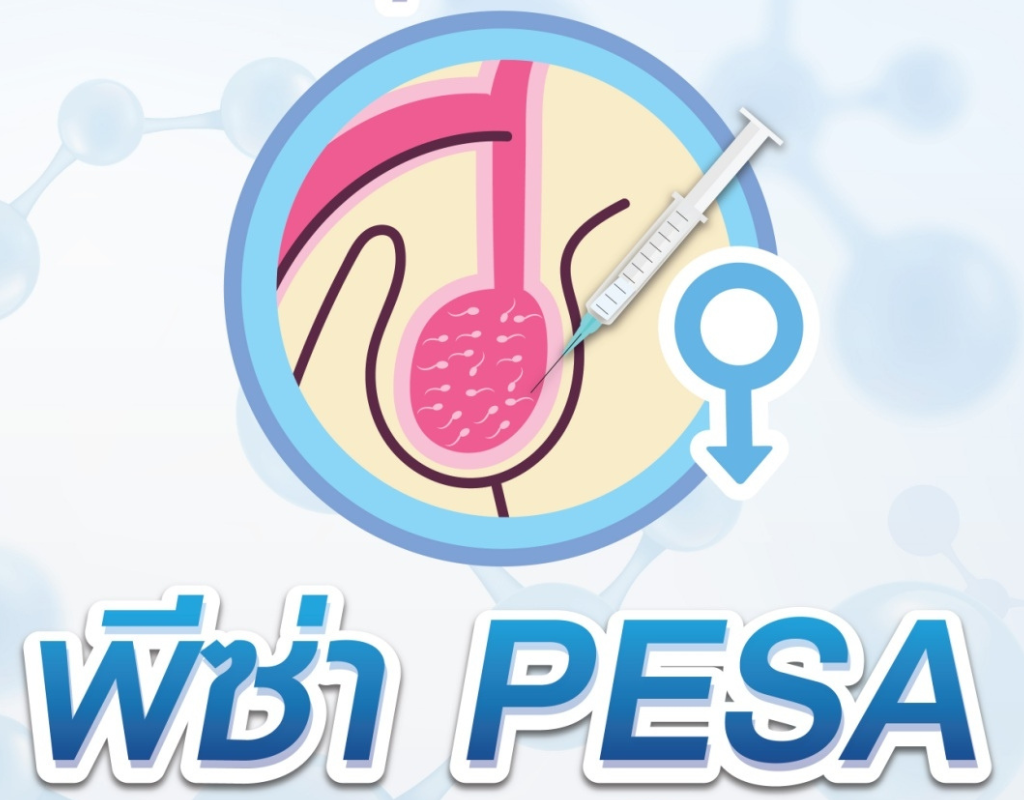
PESA (Percutaneous Epididymal Sperm Aspiration) is a surgical procedure that uses a small needle, approximately 2 millimeters in diameter, to extract sperm from the epididymis. The epididymis is located at the top of the testicles, where sperm is stored. After retrieving the fluid, the doctor examines it, searches for sperm, evaluates its quality, and uses it for ICSI procedures.
PESA usually takes about 10–20 minutes, and the patient is given local anesthesia before the procedure. After the procedure, the patient should rest for about an hour before being allowed to go home.
TESE (Testicular Sperm Extraction)
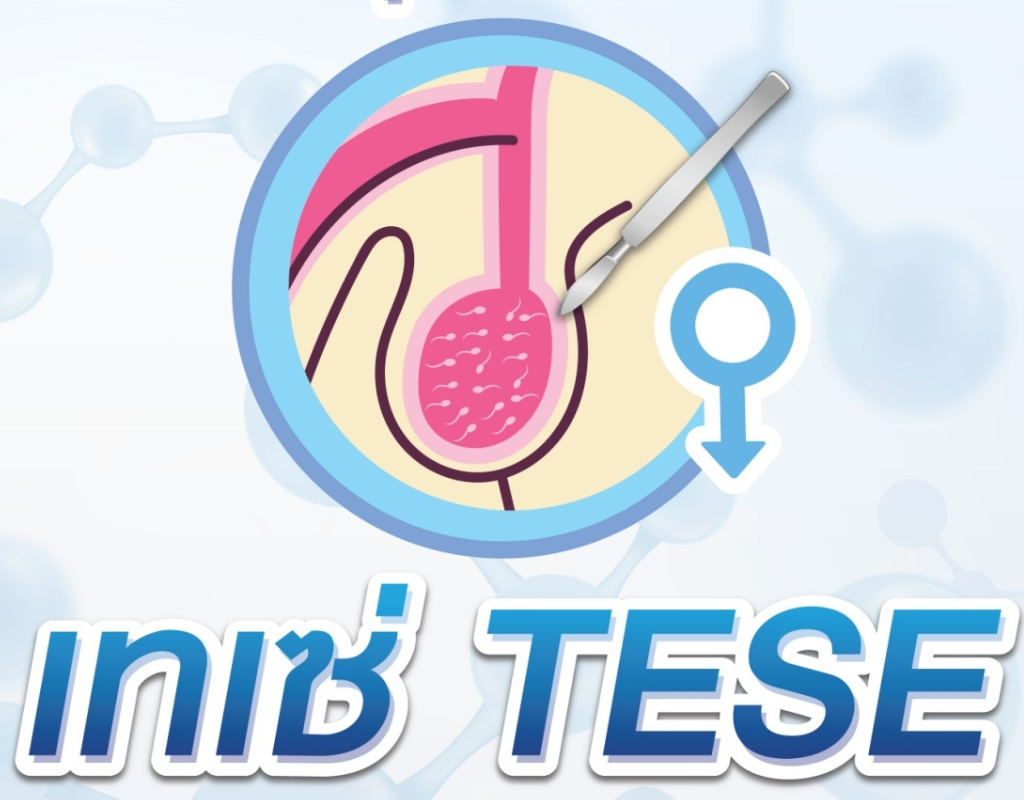
This method is used when sperm cannot be retrieved from the epididymis. The doctor makes a small incision in the skin covering the testicles, usually no more than 1–2 millimeters. Tissue that produces sperm is then removed and examined for the presence of sperm. Local anesthesia is administered, so the procedure may cause some discomfort. Pain relief medication may also be given, and any pain typically resolves within three days.
Guidelines before the procedure
The doctor will require a blood test to evaluate overall health and to prepare for the surgery. The patient must refrain from eating and drinking 6-8 hours before the procedure.
Guidelines after the procedure
-
Keep the wound dry and avoid swimming or soaking in a bathtub until it is completely dry and healed.
-
After using the toilet, gently pat the wound dry and always keep it clean and dry.
-
Take pain relief medication and antibiotics exactly as prescribed by your doctor to reduce swelling and prevent infection.
-
Avoid strenuous exercise for 2 weeks to prevent pain and inflammation.
-
Refrain from sexual intercourse until the wound is fully healed.
Risks and side effects of the procedure
Less than 2% of patients experience complications such as infection, blood clots in the testicles, or pain after the surgery. However, these complications can be treated and patients typically return to normal.
The Success of this treatment
The TESE procedure is very successful, especially in patients with blockage in vas deferens. However, the success rate also depends on the causes of each individual.
Are PESA/TESE safe procedures?
In general, PESA and TESE are very safe procedures and provide better options for patients with infertility. According to current studies, the rates of abnormalities or disabilities in babies conceived using these procedures are not different from those in naturally conceived babies.
By Assoc.Prof. Matchuporn Sukprasert
May 29, 2020
May 29, 2020
May 29, 2020
 ENGLISH
  THAI
THAI  中文
中文