NEWS & KNOWLEDGE
What is a Blighted Ovum?
What is a Blighted Ovum?
Causes
A blighted ovum is a form of abnormal pregnancy, and its causes are well known:
-
Poor quality eggs or sperm that cannot support further development.
-
Chromosomal abnormalities in the embryo. These can occur naturally at any age. As women age, the risk of chromosomal abnormalities in fertilized eggs increases, which may result in embryos having too few or too many chromosomes. These abnormalities may affect one pair of chromosomes or multiple pairs at the same time.
Symptoms of a Blighted Ovum
In the early stages, women with a blighted ovum often feel completely normal, similar to a typical pregnancy. Some may experience abdominal cramps or vaginal bleeding, while others have no symptoms at all.
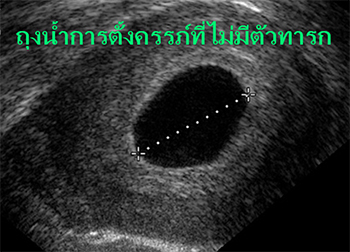
Most women discover they have a blighted ovum during a routine ultrasound, when no embryonic development is seen.
This experience can be confusing and emotionally devastating. However, it is important for women to stay strong both physically and emotionally and to remember that they can usually try to conceive again.
A blighted ovum can occur in any woman. The placenta may continue to produce hCG hormones, as in a normal pregnancy, but usually at lower levels. Some women may not experience morning sickness or other typical pregnancy symptoms.
Recurrent Blighted Ovum
Repeated blighted ovum pregnancies may increase the likelihood of underlying chromosomal abnormalities. Medical evaluation is recommended when a blighted ovum occurs more than two times.
For example, one partner may carry a chromosomal rearrangement that can be passed to the embryo without causing any physical symptoms in the carrier. This condition is known as a balanced translocation.
Treatment and Prevention
For treatment, a doctor may perform a procedure called dilation and curettage (D&C) to remove abnormal placental tissue.
Currently, there is no medication that can prevent a blighted ovum. The best ways to prepare for pregnancy and reduce risk include maintaining a healthy diet, exercising regularly, and getting adequate sleep.
By Assoc.Prof. Matchuporn Sukprasert
 ENGLISH
  THAI
THAI  中文
中文