NEWS & KNOWLEDGE
Polycystic ovaries syndrome and Infertility
Polycystic ovaries syndrome and Infertility
Polycystic Ovary Syndrome (PCOS) is a condition in which ovulation is irregular or absent, resulting in the formation of small, fluid-filled sacs in the ovaries. It is commonly found in women of reproductive age. The exact cause of PCOS is still unknown. Additionally, this condition is one of the leading causes of infertility due to a lack of ovulation.
How Do You Know if You Have PCOS?
-
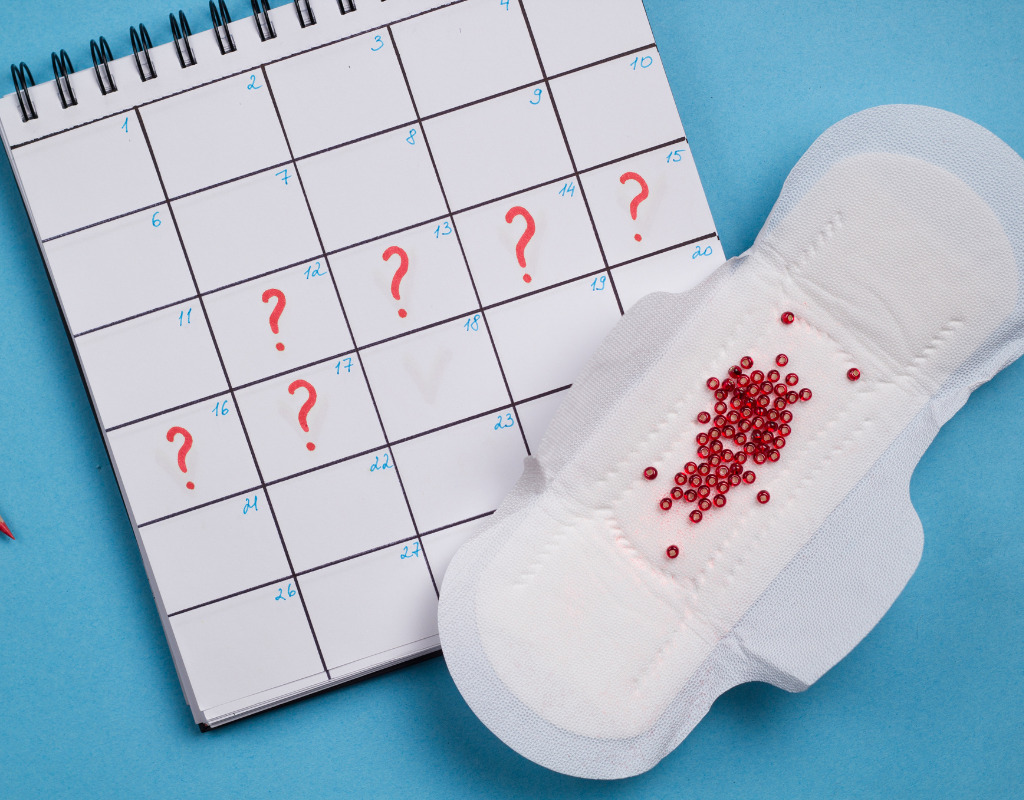
Irregular periods: Menstrual cycles may be longer than 35 days or may not occur regularly.
-
Ultrasound findings: PCOS can often be detected through an ultrasound, which may show multiple small cysts on the ovaries.
-
Signs of excess testosterone: This may include excessive hair growth (hirsutism), hair thinning or hair loss, severe acne, or oily skin.
If you experience any of these symptoms, you should see a doctor for further evaluation. Diagnosis may involve an ultrasound to examine the ovaries and blood tests to assess hormone levels.
Can PCOS be cured?
The first step in treating PCOS is to make lifestyle changes. For women who are overweight, it is recommended to control or reduce weight through dietary adjustments, such as reducing carbohydrates and sugar, along with regular exercise. Achieving a healthy weight can help restore normal hormonal function and result in more regular menstrual cycles.
In cases where a doctor prescribes hormonal medications, it is important to follow the treatment plan carefully and take the medication as directed.

Can People with PCOS Have Children Normally?
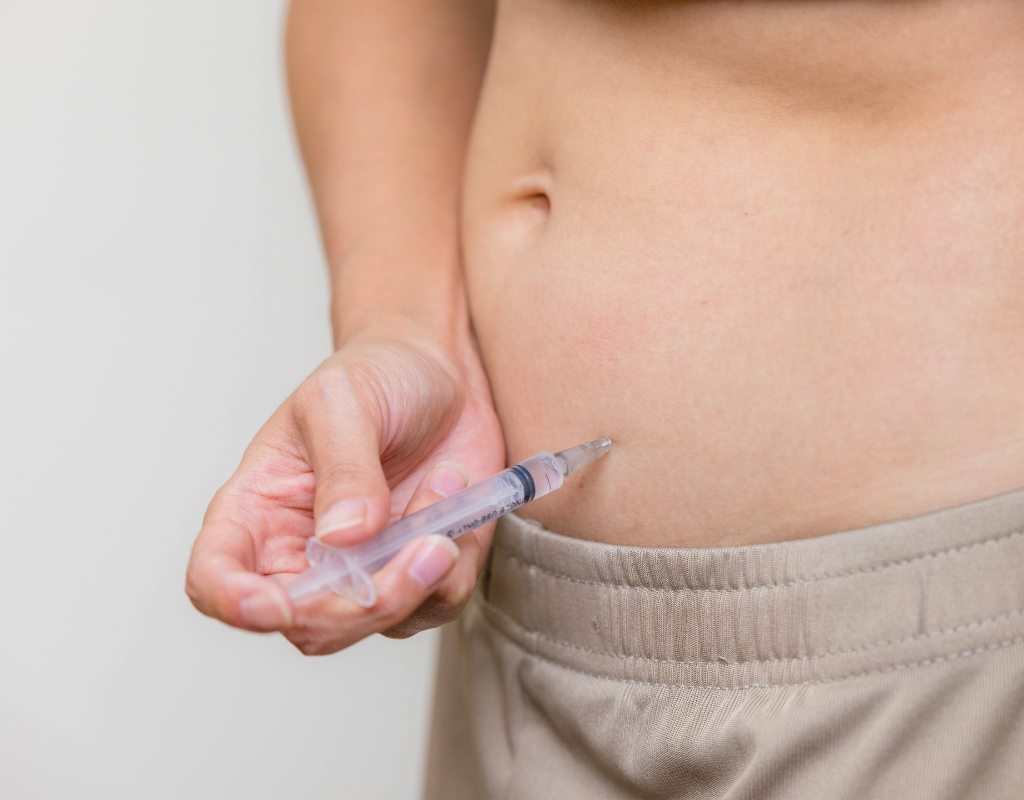
For individuals with polycystic ovary syndrome (PCOS), it is important to consult a doctor who specializes in infertility. Treatment may involve the use of ovulation-stimulating medications to induce ovulation, followed by intrauterine insemination (IUI) on the day of ovulation. In more severe cases, in vitro fertilization (IVF) or intracytoplasmic sperm injection (ICSI) may be recommended, depending on the severity of the condition.
How to Reduce the Risk of PCOS
There is no guaranteed way to prevent PCOS. However, maintaining overall health can help reduce the risk. This includes keeping your weight within a healthy range, exercising regularly, and eating a balanced, nutritious diet.


By Assoc.Prof. Matchuporn Sukprasert
May 30, 2024
May 23, 2024
 ENGLISH
  THAI
THAI  中文
中文